Africa, AGOA, Subcapitalism and the Corridor Economy
By Dr. Said El Mansour Cherkaoui
Bob Genga – Investing in African Mining Indaba
The USA were more concerned about the security and ideological shift in Africa than in managing the layers of needs of African Countries that were more hooked to the European addictive model of development given their historical preeminence in shaping their actual level of modernization without real industrial and technological development.
This diagnosis is confirmed by the historical record. During the Cold War, U.S. involvement in Angola, Congo, Ethiopia, and Somalia was driven by ideological containment rather than development priorities. More recently, AFRICOM’s mandate has remained centered on counterterrorism and security partnerships, not industrial transformation or technological sovereignty. The Sahel, the Horn of Africa, and the Great Lakes illustrate this continuity: military cooperation dominates, while economic cooperation remains secondary. These cases validate the structural imbalance described above.
The gap between the modernization and development is typical to economies that are considered as Subcapitalist operational sphere of complementarity to the capitalist countries needs for primary, agricultural and mining goods or extractive sectors along with the provision of offshore and nearshore services that are sustaining assembly lines and sort of screw driver factories.
This pattern is visible across the continent. Nigeria exhibits modern urban centers but lacks an integrated industrial base; its economy remains dependent on oil exports. Kenya has a dynamic services sector but manufacturing remains below 10% of GDP. Morocco and Tunisia have developed assembly industries in automotive and textiles, yet technological sovereignty remains limited. In Zambia and the DRC, the copper and cobalt belts operate as export enclaves dominated by foreign capital, disconnected from national development. Ethiopia’s industrial parks, Mauritius’ EPZs, and Morocco’s free zones all function as low-value assembly hubs serving external markets. These examples demonstrate the subcapitalist complementarity described above.
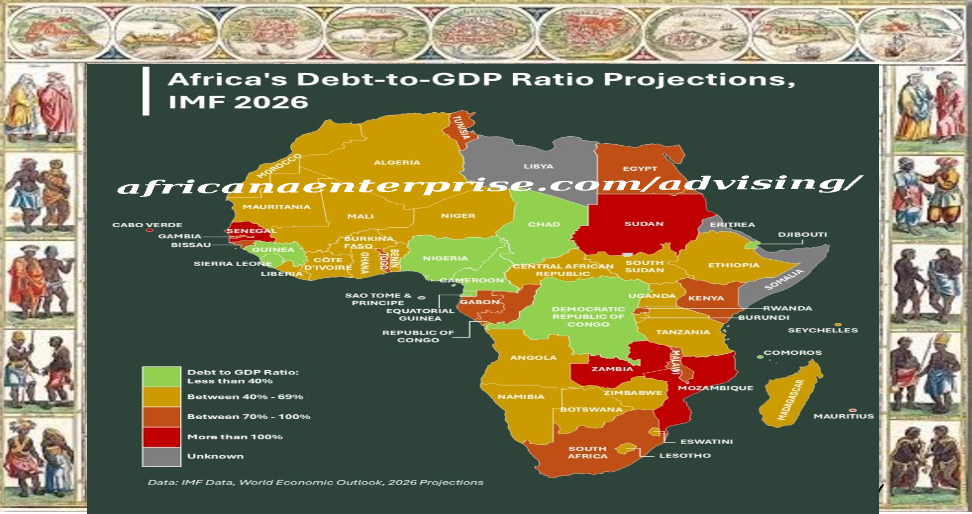
The infrastructural bridging such functions and roles are financed by external debt while foreign direct investment se relay in the export enclaved sectors and the corresponding Free Trade Zone favored by the multiplicity of free trade agreements, as key to other international demand and market configurations.
This is confirmed by the financing patterns of major African infrastructure. Kenya’s Standard Gauge Railway was financed through Chinese loans to support port logistics and extraction corridors. Ethiopia’s industrial parks were built through external debt to host foreign manufacturers. West African ports such as Tema, Abidjan, and Dakar were expanded through foreign loans to facilitate export flows. Foreign direct investment continues to concentrate in mining enclaves, special economic zones, and export-oriented sectors, not in domestic industrialization. These cases reinforce the analysis of externally financed infrastructure serving external needs.
Africa became a corridor in the building of Freeways to high ROI for the Foreign capital seeking lands where to advance and resolve its competitive crisis and its periodical lethargy.
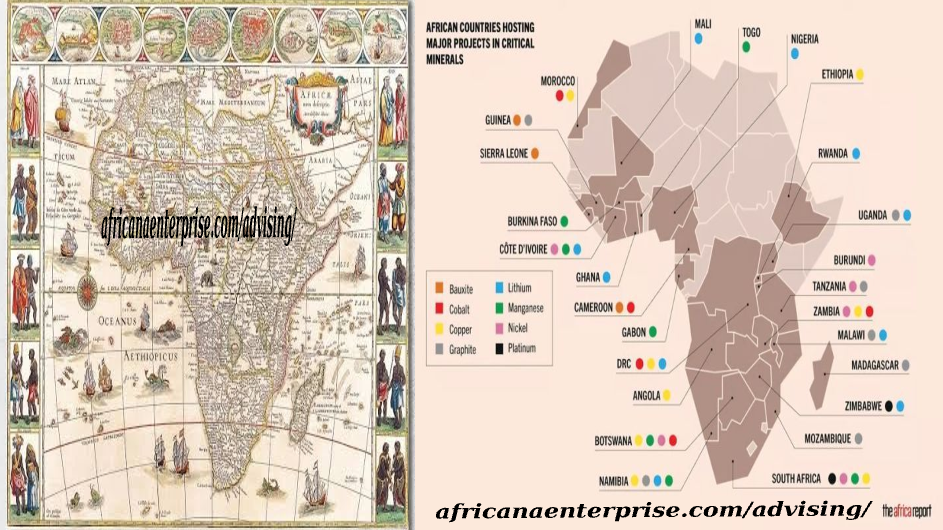
This metaphor is validated by the behavior of global capital. Private equity inflows target high-ROI sectors such as telecoms, fintech, and mining. Large-scale land acquisitions in Ethiopia, Sudan, and Mozambique serve foreign agribusiness interests. Mining concessions in Guinea, Mali, Tanzania, and Namibia are structured for extraction rather than domestic value chains. Africa becomes a buffer during global downturns, a resource frontier during commodity booms, and a relocation zone for low-cost production. These examples confirm the diagnosis: Africa is treated as a corridor for capital seeking relief from its own crises of competition and stagnation.
Bibliography & References
- UNCTAD – The African Growth and Opportunities Act: Benefits, Limitations, Utilization, and Results https://unctad.org/publication/african-growth-and-opportunities-act
- USITC – AGOA: Program Usage, Trends, and Sectoral Highlights https://www.usitc.gov/publications/332/agoa_usage_trends_sectoral_highlights.htm
- Center for Global Development – Agenda to Enhance the Efficacy of AGOA https://www.cgdev.org/publication/agenda-enhance-efficacy-agoa
- MDPI – The Impacts of the African Growth Opportunity Act on the Economic Performances of Sub-Saharan African Countries https://doi.org/10.3390/sci6010014
- World Bank – Africa’s Infrastructure: A Time for Transformation https://openknowledge.worldbank.org/handle/10986/2692
- IMF – Sub-Saharan Africa Regional Economic Outlook https://www.imf.org/en/Publications/REO/SSA
- African Development Bank – Industrialize Africa Report https://www.afdb.org/en/documents/industrialize-africa-strategies-policies-institutions